Paint
Interior Painting — Approach, Technique, and What to Expect
Paint is mostly preparation. Filling, sanding, caulking, and priming take longer than rolling the walls, and they decide whether the finish reads flat and even or shows every seam and nail hole. Riley does the prep and the finish himself, on walls, ceilings, trim, and cabinets.
What this work involves
A painting job is four jobs stacked: protect, prepare, prime, and finish. Floors, fixtures, and adjacent finishes get covered and masked first. Then the surface is made ready — nail holes and dents filled, trim joints caulked, glossy surfaces sanded to give the next coat something to hold, and old failing paint scraped back to a sound edge. The rolling comes last and takes the least time.
Priming is not optional on new or repaired surfaces. Bare drywall paper, joint compound, and raw wood all absorb differently, so paint over an unprimed patch dries at a different rate and the repair prints through the color. Stain-blocking primer goes over water marks, smoke, knots, and tannin-bearing wood, because those bleed through ordinary paint no matter how many coats go on.
The finish work is where the sequence matters: ceilings first, then walls, then trim and doors, with the cut line between wall and ceiling held straight by hand rather than tape alone. Cabinets are their own process — degreasing, sanding, a bonding primer, and a hard enamel made for cabinets, usually sprayed. Sheen is chosen surface by surface, not room by room.
Riley's approach
Paint is on the list of trades Riley performs himself. Because he also hangs and finishes the drywall and installs the trim on most projects, the surface being painted was built by the person painting it, and the preparation happens with knowledge of exactly what is under the coat. Frasch Construction is a Minnesota residential building contractor, license BC721559.
Painting is also the finishing trade, so its schedule depends on everyone else. Minnesota requires licensed electricians for fixture and device work, and Riley brings the tradespeople he uses at the best possible price. Plates and fixtures come off before the walls are cut in and go back on after, and the electrical trim-out is timed so nobody is working over fresh enamel.
He is straight about what paint can and cannot do. Paint over a wall that was never properly finished will look like a painted rough wall. Cabinet doors that are worn through at the edges or delaminating will not hold an enamel finish. In both cases you get the honest option — repair first, or accept the result — before any material is bought.
Technique and craft
Preparation is measured in passes. Fill, sand, check under a light held low against the surface, then fill again where the light finds a shadow. Caulk goes in the joints between trim and wall and is tooled, not smeared, so the line stays crisp. Sanding between coats on trim and doors is what makes an enamel feel smooth rather than gritty, and it is the step most often skipped.
Sheen is chosen by what the surface has to do. Flat or matte on ceilings and on walls where imperfection should disappear. Eggshell or satin where walls get wiped. Satin or semi-gloss on trim, doors, and bathrooms, because harder films take cleaning. The higher the sheen, the more of the surface underneath it shows, which is why a high-sheen wall demands a higher drywall finish level to begin with.
Application follows the surface. Walls get cut in and rolled with a nap chosen for the texture — smooth walls take a short nap, textured walls a longer one — and rolled back into the wet edge so laps do not flash. Trim and doors are brushed, rolled and tipped, or sprayed depending on the finish and the room. Cabinet enamel is sprayed in a controlled setup, with the doors off, labeled, and finished flat so the coat lays down without runs. Final inspection is done under raking light and a touch-up pass follows it.
Special considerations in Minnesota
Winter is dry and that changes how paint behaves. Low indoor humidity pulls the open time out of a coat, which makes lap marks easier to leave and cut lines harder to keep wet. Rooms get heated and ventilated for drying without blowing dust into a wet finish, and material is never applied straight out of a cold vehicle. Summer humidity does the opposite: it slows recoat times, and pushing a second coat too early leaves a soft film.
The seasonal humidity swing also moves the substrate. Trim joints that were caulked in humid weather can open a hairline in a dry January and close again in July, and a truss-framed upper floor can crack along the wall-to-ceiling line in winter. A flexible caulk at the right joints and an honest explanation beforehand are worth more than a repair every spring.
Older houses across Wright County and the west metro can carry lead-based paint if the coats go back far enough, and disturbing it has federal rules about containment and cleanup that apply to the contractor doing the work. Below grade, a basement wall that is still releasing moisture will blister a coat regardless of the product, so the moisture question gets settled before the color one. Painting itself is not permitted work; when it is part of a larger project, it follows the inspections.
Complete transparency, and a plan that bends to you
The written scope lists every surface: which rooms, whether ceilings are included, whether trim and doors are included, how many coats, what sheen, and what preparation is covered. Preparation is where painting quotes differ most from each other, so it is spelled out rather than left implied.
Colors change. People see the first wall and want to go warmer, or decide the trim should be a different white than the ceiling. Scope is modifiable on the fly with no hassle: the change is priced in writing, with the schedule effect, the day it comes up, and nothing proceeds without your say-so.
You also get told when a sample is worth the delay. Paint reads differently under north light than under a warm bulb, and a large sample board looked at in the actual room at different hours prevents the expensive version of that discovery.
Before and after
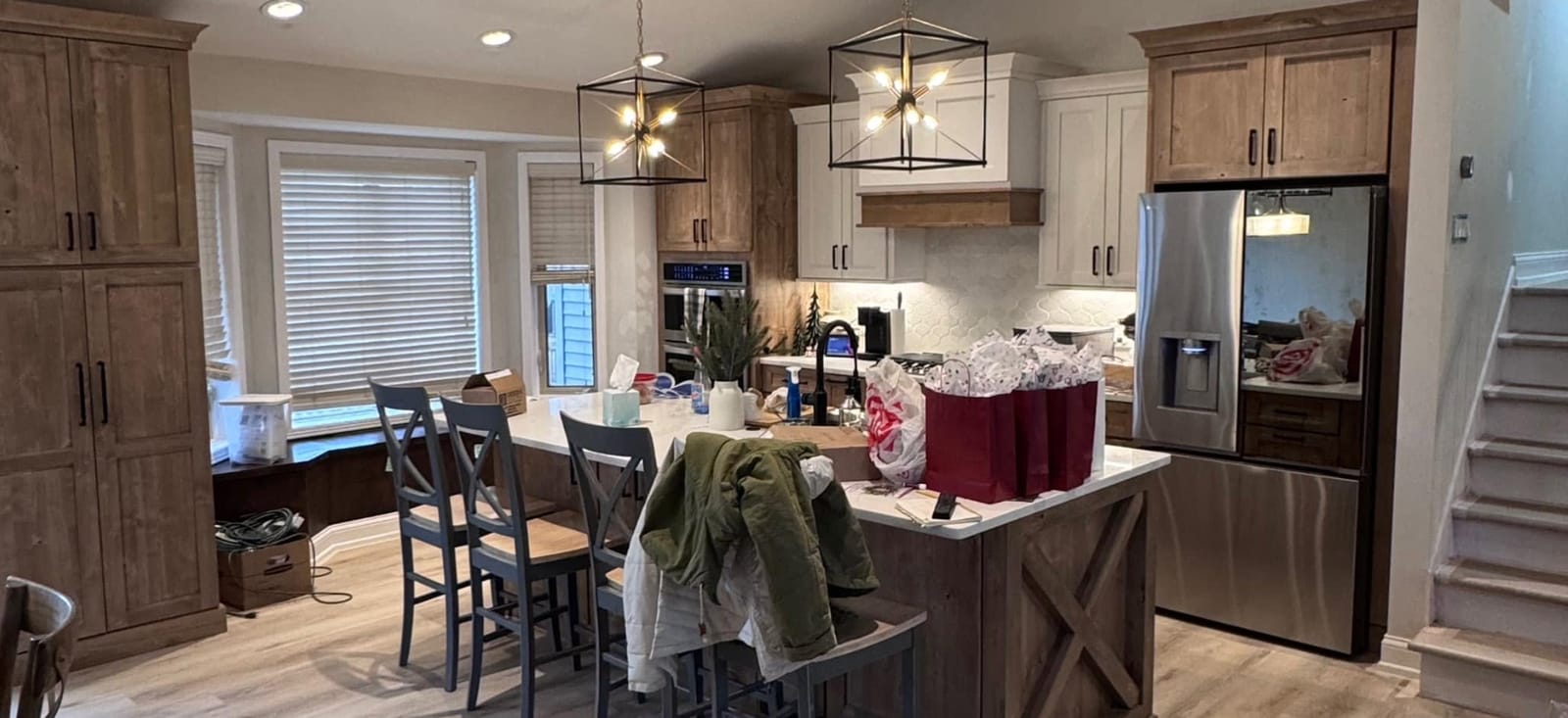
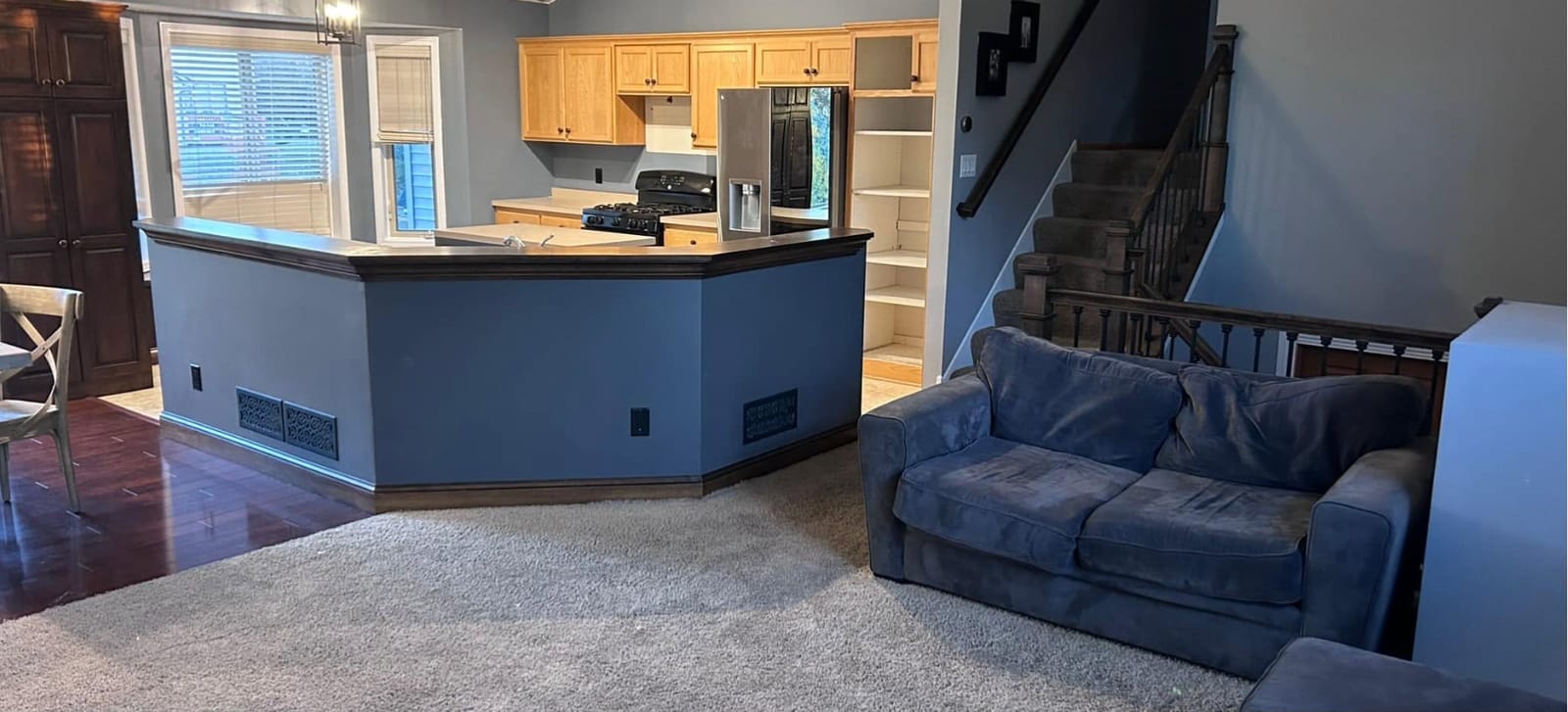
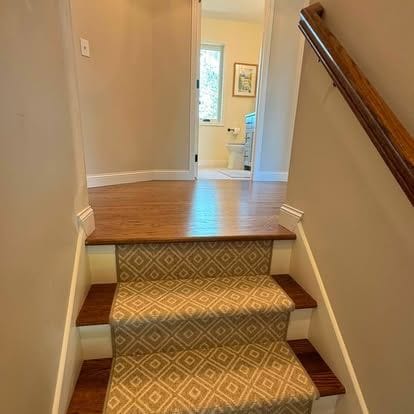
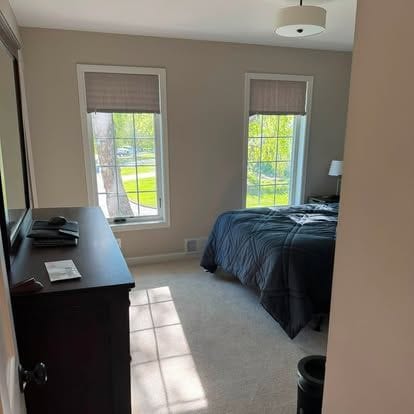
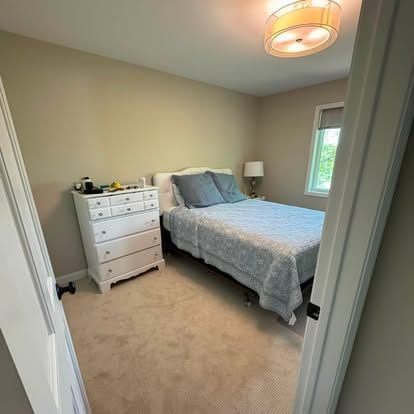
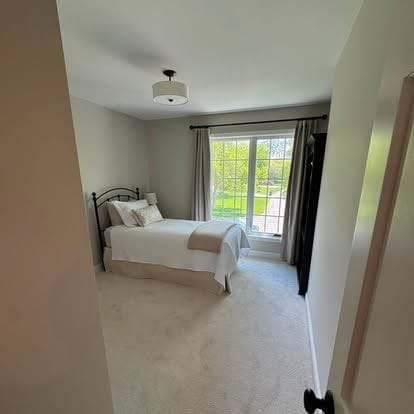
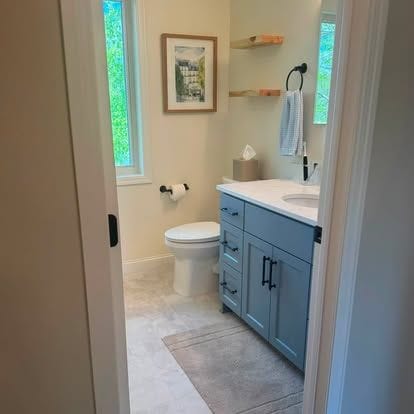
The photographs below come from Frasch Construction's own portfolio. A kitchen before-and-after pair shows a raised bar with a blue-painted base and oak cabinets replaced by knotty-alder tall cabinets with white shaker uppers, with the stairway trim repainted. Bedroom photographs show neutral paint and painted trim with new carpet, and a staircase shows white risers under a patterned runner.
Where Frasch Construction does this work
Frasch Construction is based in Rockford, Minnesota, and paints across five zones: the Wright County ring at home, including Buffalo, Rockford, Hanover, Delano, Maple Lake, and Annandale; the Lake Minnetonka towns, including Wayzata, Deephaven, Tonka Bay, Excelsior, Long Lake, and Chanhassen; the west metro core, including Edina, St. Louis Park, Hopkins, Minnetonka, Plymouth, and Robbinsdale; the cities of Minneapolis and St. Paul; and the farther suburbs, including North Oaks, Dellwood, Arden Hills, Mendota Heights, Prior Lake, and Woodbury. The full roster of towns appears below.
Questions
Asked and answered
- What drives the cost of an interior paint job?
- Preparation, more than area. Filling, sanding, caulking, scraping failing paint, and priming patches are the labor. After that, the count of doors and windows, the height of the ceilings, whether trim is included, and how many colors are being cut in all move the number. A color change from dark to light adds a coat.
- How long does painting take?
- Preparation usually takes longer than application, and drying between coats sets the pace. Dry winter air speeds drying but shortens working time; humid summer air slows recoating. Cabinet finishing adds days because doors are removed, sprayed, and left to cure hard before they are rehung and used.
- Can cabinets be painted instead of replaced?
- Yes, if the boxes and doors are sound and the layout still works. The finish holds only with real preparation: degreasing, sanding, a bonding primer, and an enamel made for cabinets. Sprayed over greasy, unprepared doors it will peel at the edges, which is why the prep is the quoted part.
- Do I need a permit to paint?
- No. Painting is not permitted work. When it is the finish stage of a remodel, it happens after the rough-in inspections and after drywall, so nothing that needs inspecting is hidden behind a finished coat.
- Can we stay in the house while it is being painted?
- Most people do. Rooms are done in stages so the house stays usable, and low-odor products keep that manageable, though cabinet enamel and oil-based primers are worth planning around. The rooms being painted have to be cleared of furniture and wall hangings first.
- Is one room, or just the trim, too small a job?
- Ask. A single room or a trim-only package gets the same preparation standard as a whole house, and whether it fits the schedule is a conversation rather than a policy.
Where
Where Frasch Construction does this work
Frasch Construction is based in Rockford, Minnesota, and does this work across all 82 towns below — Wright County and the home ring, the Lake Minnetonka belt, the west metro, Minneapolis and St. Paul, and the suburbs further out. Each town has its own page with the permit and site conditions that apply there.
All 82 towns
Services
Read next
Next step
Tell Riley what you're thinking.
Describe the project in your own words and add photos of the space. Riley personally reads every project that comes in before anyone calls back.