Interior Millwork
Interior trim carpentry: base, casing, crown, built-ins, wainscot, shiplap, and stair parts.
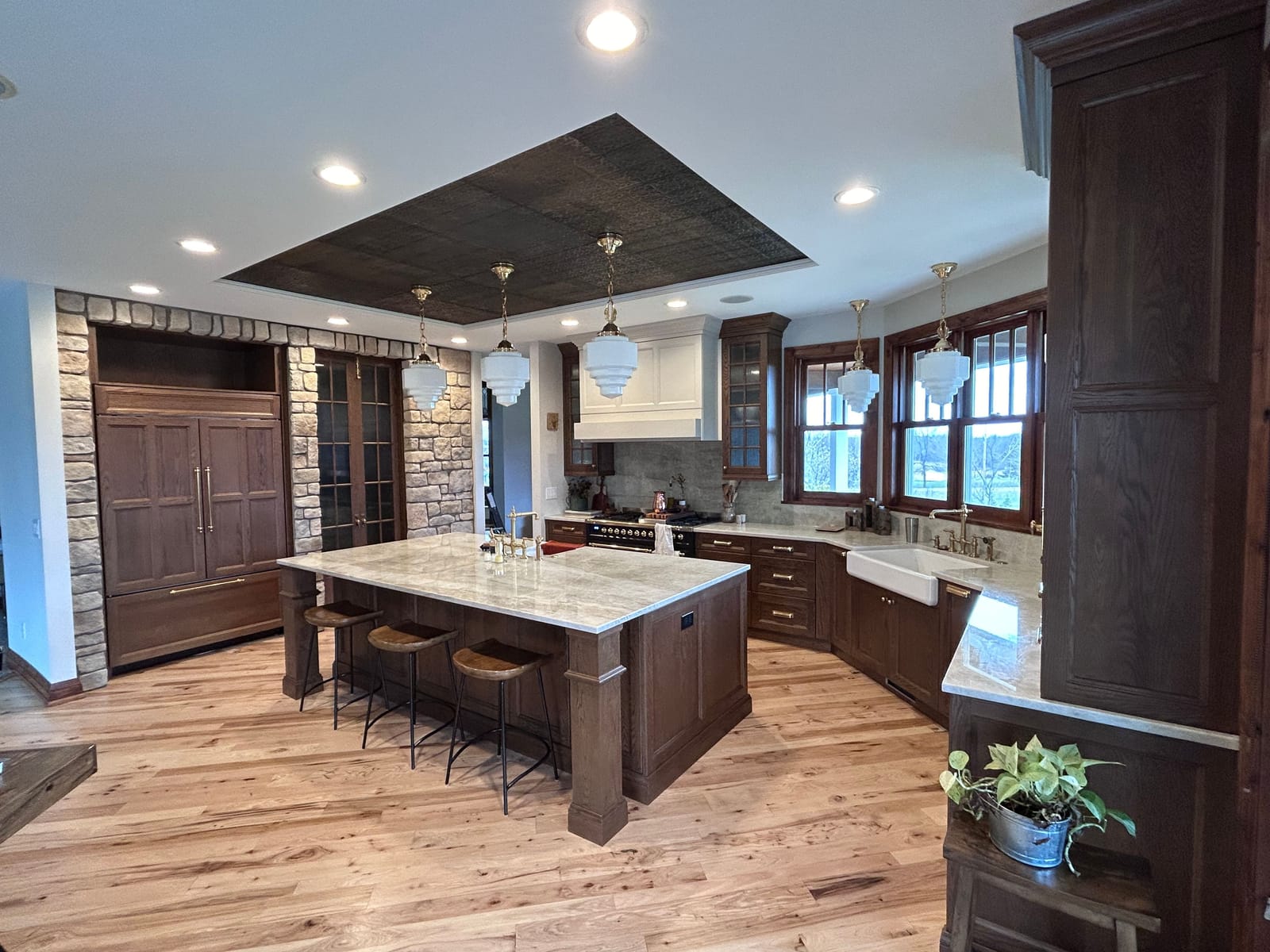
Interior millwork is the finish carpentry inside a house — the base, casing, crown, and built-in work that frames every opening and edge. It is the layer people stand close to, so the standard is joint quality: tight miters, coped inside corners, returns that die cleanly into the wall, and reveals that stay consistent from one door to the next. Profile choice matters less than execution.
What the work involves
- Base and shoe molding, coped at inside corners and mitered at outside corners
- Door and window casing set to a consistent reveal, with plinths or mitered heads
- Crown molding, including out-of-square corners and coped joints
- Wainscot, board and batten, picture-frame paneling, and shiplap
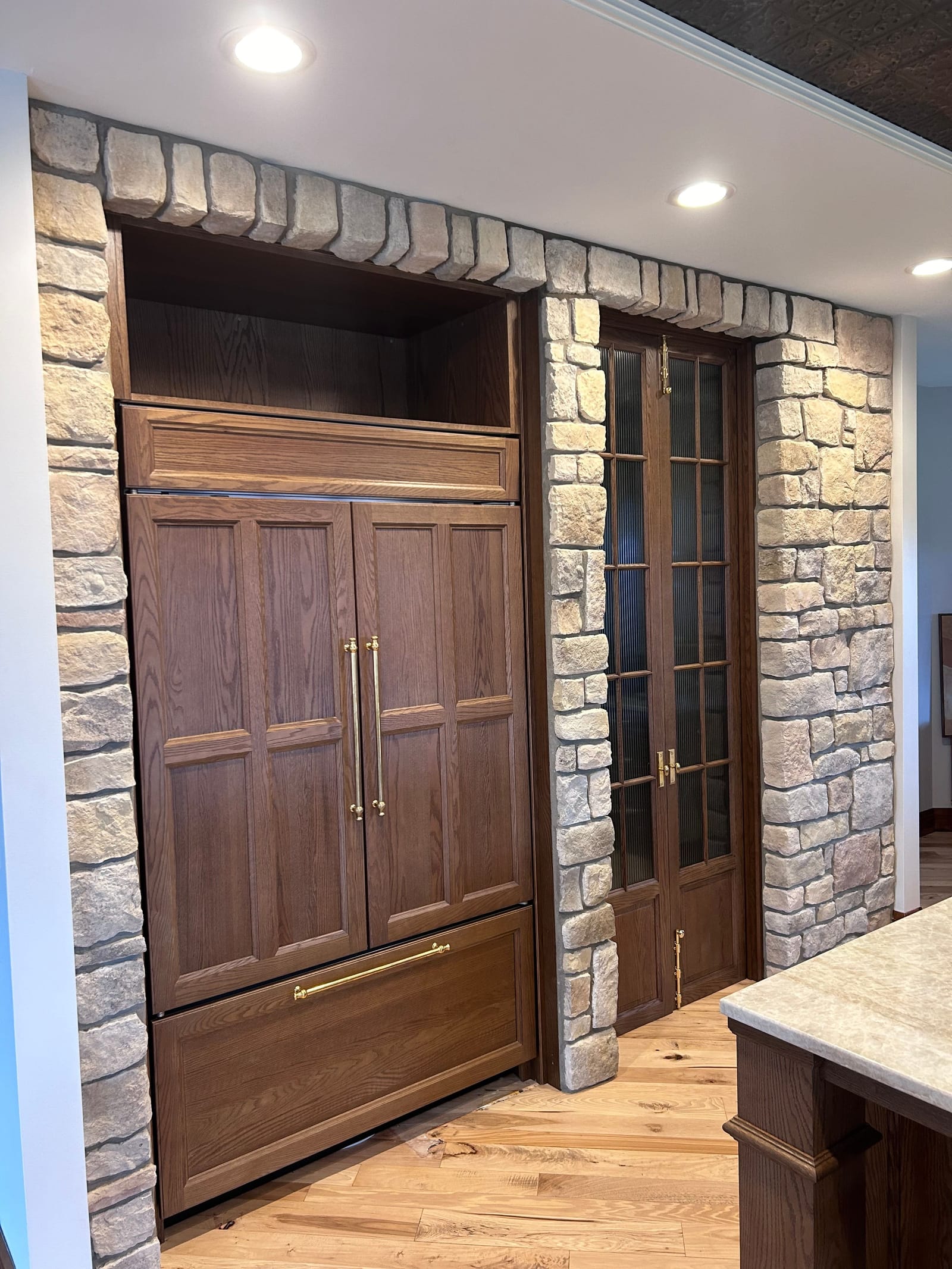
- Built-in shelving, benches, window seats, and cabinetry surrounds
- Stair parts: skirt boards, treads and risers, newels, balusters, and handrail
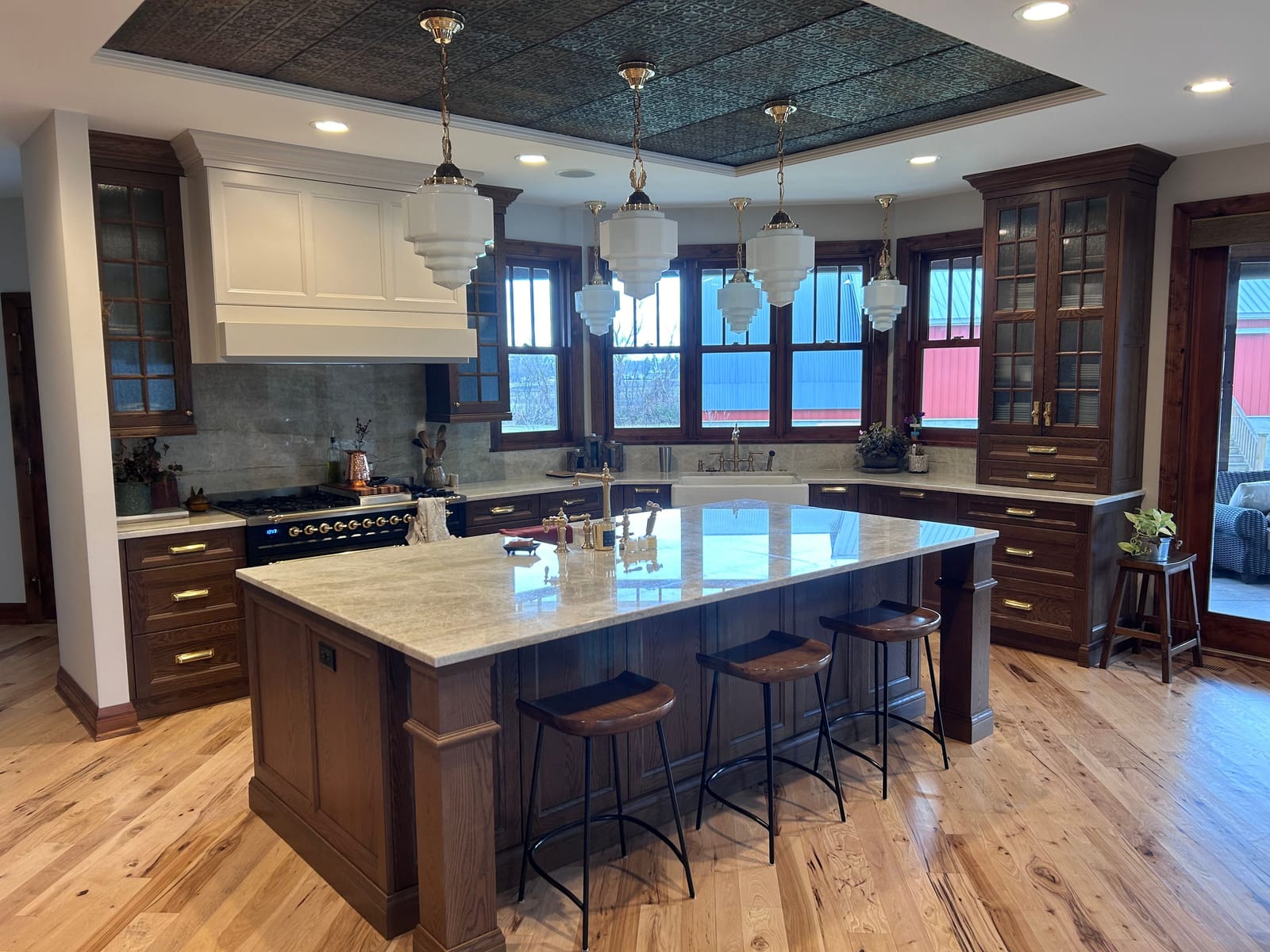
- Ceiling detail — beams, coffers, and trimmed openings
- Caulk, fill, sand, and prepare for paint or stain
From the portfolio
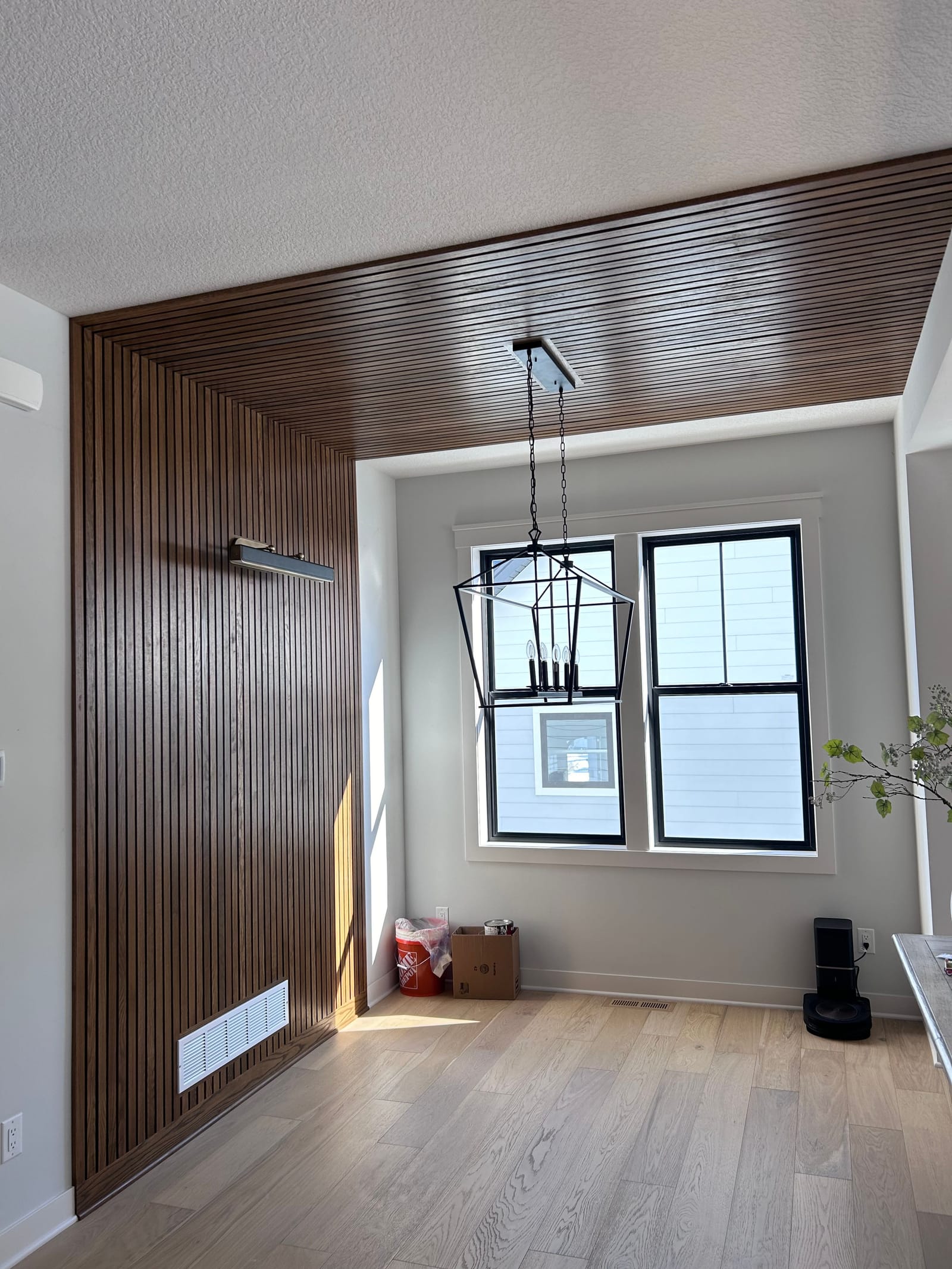
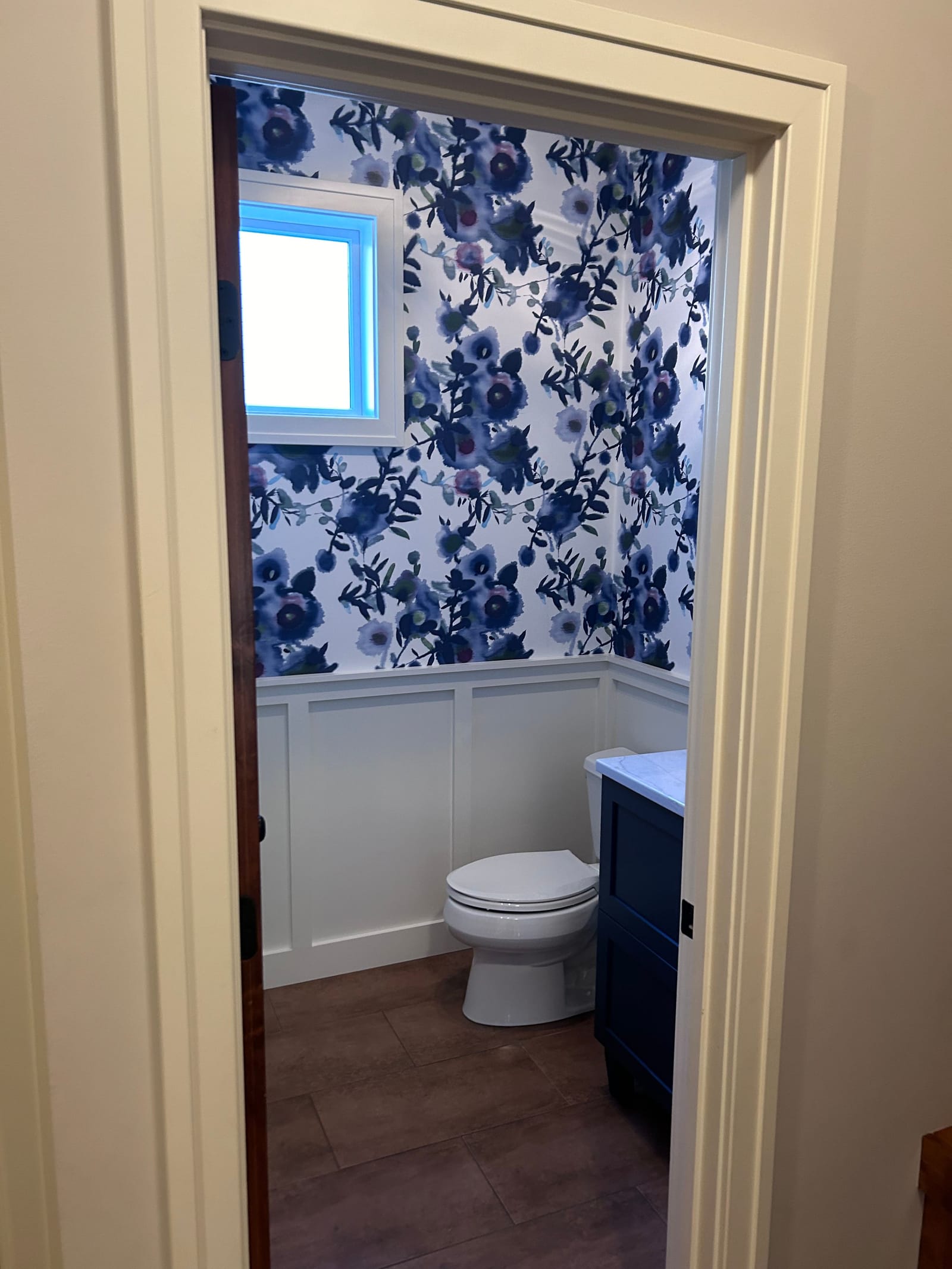
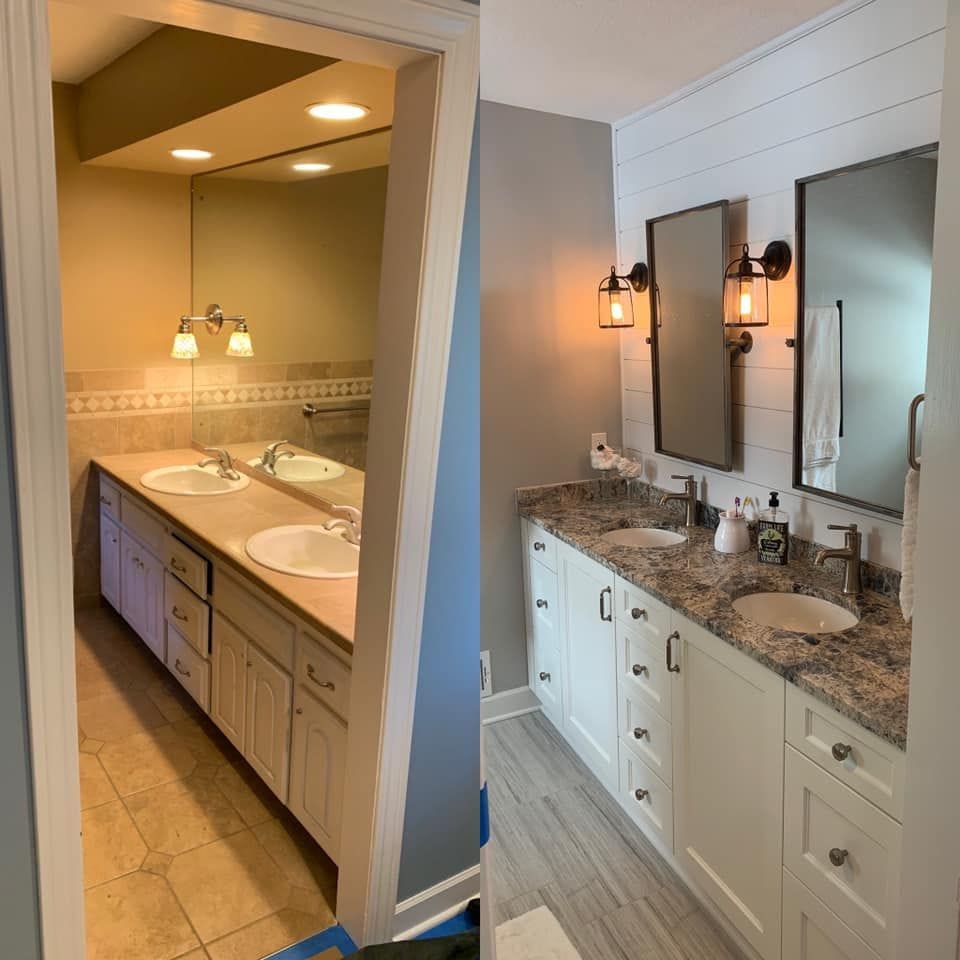
- Frasch Construction's portfolio includes a stained wood slat wall that continues across a ceiling, board-and-batten wainscot in a powder room, and a shiplap accent wall behind a double vanity.
Questions
- What does millwork actually mean?
- The finished woodwork inside a house: base at the floor, casing around doors and windows, crown at the ceiling, wainscot and paneling on walls, built-ins, and stair parts. It is the carpentry that stays visible after every other trade is done.
- Paint-grade or stain-grade trim?
- Paint-grade is primed poplar, pine or MDF — most of the time Riley installs poplar, a smoother wood that takes a better finish. Joints are filled and caulked, so a good paint finish covers small imperfections. Stain-grade is hardwood with matched grain and every joint visible, nothing filled. Stain-grade takes more material and more labor, because nothing can be hidden.
- Can trim be added to a house that has none?
- Yes. Adding base, casing, and wainscot to rooms with builder-grade trim or none at all is ordinary work. The constraints are the existing drywall returns at windows, the depth of the door jambs, and whether floors and walls are flat enough for long runs.
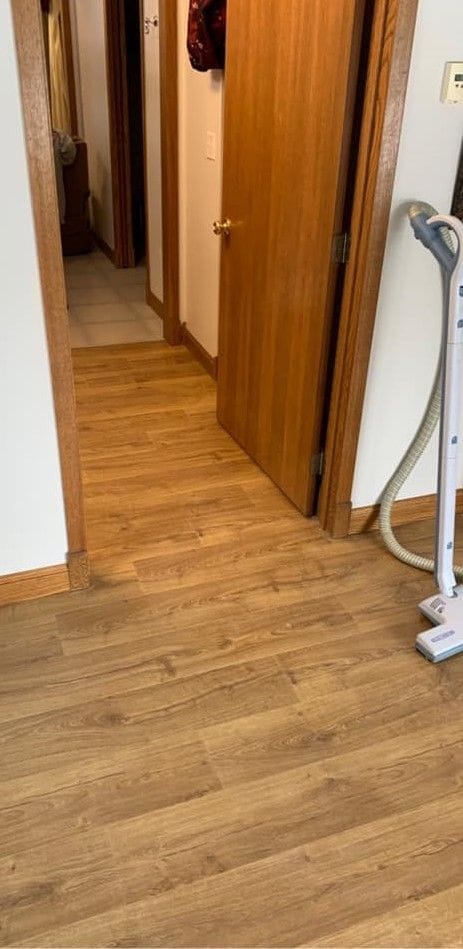
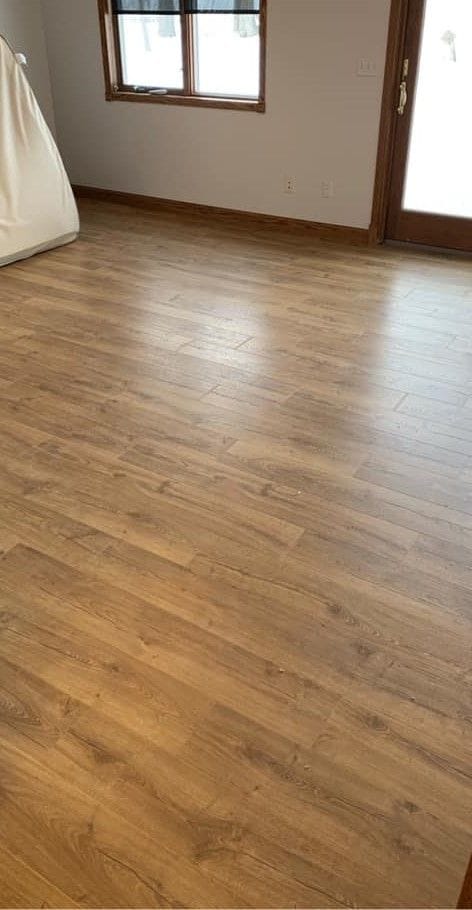
Interior Millwork photographs
Where Frasch Construction does this work
Rockford and Wright County, the Lake Minnetonka belt, the west metro, Minneapolis and St. Paul — 82 towns.
All 82 towns
Next step
Tell Riley what you're thinking.
Describe the project in your own words and add photos of the space. Riley personally reads every project that comes in before anyone calls back.